Paint Correction

The Principles of Machine Detailing

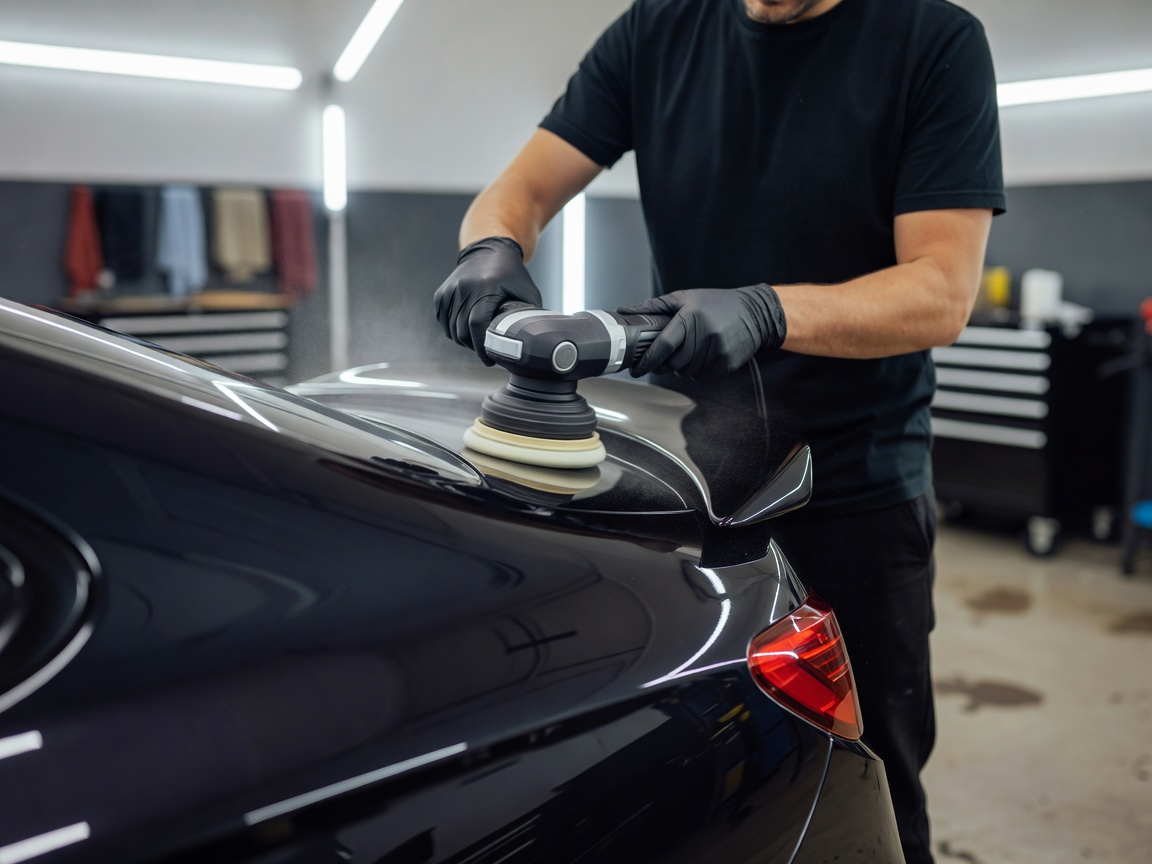
Paint correction is the physical leveling of clear coat paint. By using dual-action polishing machines, calibrated micro-abrasive pads, and compound formulas, we remove a microscopic layer of clear coat to smooth out scratches and restore gloss.

This process requires precision, continuous heat monitoring, and accurate paint depth readings to ensure the clear coat remains safe and structurally sound.

Detailer polishing a glossy dark car wing using dual-action machine tool

The 8-Stage Correction Method

We do not rush machine polishing. We follow a strict sequence to ensure paintwork safety and deliver high gloss results.

1. Paint Cleanse

Complete multi-stage pre-wash and two-bucket contact clean to remove loose surface grit.

2. Tar Solvent

Chemical spray application to break down dark sticky road tar spots and tree sap deposits.

3. Iron Purge

Dissolution of microscopic brake-dust metallic filings embedded within the paint's clear coat.

4. Clay Bar Exfoliation

Mechanical claying to pull out remaining bonded grimes, leaving a glass-smooth paint surface.

5. Paint Measurement

We measure paint depths across every panel using magnetic-induction gauges to ensure safe clear coat thickness.

6. Test Spot Trial

We test various combinations of pad firmness and compound abrasiveness to find the safest correction method.

7. Machine Correction

Careful, section-by-section polishing to reduce swirl marks, water spots, and light paint scratches.

8. Inspection & IPA Wipe

We wipe down the paint with Isopropyl Alcohol (IPA) to remove any polishing oils, revealing the true level of paint correction.
Understanding Paint Correction Safety

Every factory clear coat has a limited thickness. Over-polishing can weaken the clear coat, making it vulnerable to UV oxidation and lacquer peeling. That is why we focus on paint-safe results rather than aggressive correction.

We do not promise a "100% defect-free showroom finish". Our goal is a substantial reduction in paint defects while preserving your clear coat's long-term integrity.

Important Paint Note: Very deep scratches that catch your fingernail have typically penetrated the clear coat down to the primer or metal. These cannot be polished out and require bodywork repair.

When is paint correction helpful?

  • To clear swirl marks and restore depth to dark paint finishes
  • To remove environmental etching caused by bird droppings and tree sap
  • To prepare paintwork for long-lasting ceramic coating bonding
  • To refresh a pre-owned vehicle and enhance its resale presentation
  • To smooth out paint marring caused by improper hand-washing habits

Need a Paint Assessment?

We can measure your paint depth and discuss safe, effective correction options. Submit an enquiry to schedule a visual inspection.

Request Detailing Enquiry Advice